Self Cleaning Litter Box Running Costs (2026): The Three-Year Sum
What an automatic litter box really costs once liners, filters, crystal trays and litter are counted, and why the cheaper machine is often dearer.
The purchase price of an automatic litter box is roughly half the decision. The other half arrives monthly, forever, and it varies far more between machines than the sticker prices suggest.
The four things that cost money
Litter. Sifting boxes need a minimum depth to function, and you top up rather than empty and refill. Expect to use around a third more than a manual tray.
Waste drawer liners. Branded liners are convenient and rarely mandatory. Standard bin liners of the right size work on most machines, though check whether your model’s sensors expect the liner seated a particular way first.
Carbon or odour filters. Cheap individually, needed every one to two months, and easy to forget until the box starts to smell.
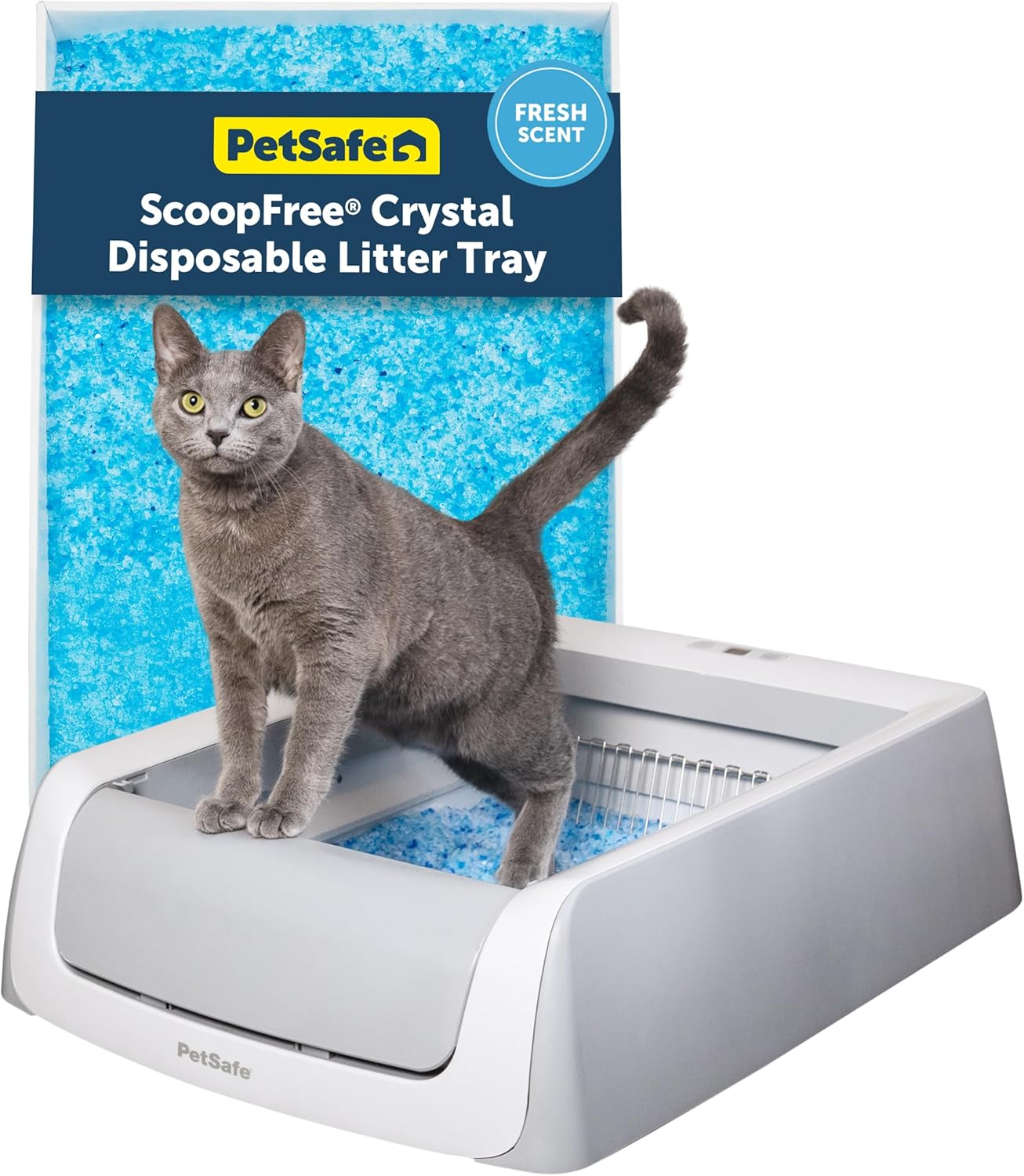
Proprietary substrate, if your machine uses one. This is the item that dominates the total. A crystal-tray system replaces the whole tray rather than scooping, which is genuinely the lowest-effort option available, and it is also the highest running cost in the category because you can only buy it from one supplier.
Why the cheaper machine is often the expensive one
The pattern in this category is that the premium machine takes standard clumping litter while the mid-priced one locks you into its own consumable. Over a single year the premium box looks like an extravagance. Over three, the gap narrows sharply, and in a multi-cat house it can invert entirely, because proprietary trays are consumed in proportion to how much the box is used.
So do the sum in this order: annual consumable cost, multiplied by three, added to the purchase price. Compare that number rather than the shelf price. Our Litter-Robot versus PetSafe ScoopFree comparison is exactly this trade-off in its clearest form, and the answer genuinely depends on whether your priority is odour or economics.
The cost nobody budgets: the machine itself
Sensors are the part that fails on every automatic box, and almost every reported fault is litter dust on the infrared windows rather than a dead component. Wiping them with a dry cloth every couple of weeks is free and prevents most of the support traffic in this whole category.
That matters financially because an out-of-warranty sensor replacement, or a machine abandoned because it “stopped working”, is by far the largest cost available to you. The most expensive automatic litter box is the one in the loft.
What you are actually buying
Not savings. An automatic box costs more to buy and more to run than a fifteen dollar tray and a scoop, and anyone selling it as an economy is selling you something.
What it buys is the elimination of a twice-daily task, better odour control in a home where that matters, and in the better machines, per-cat usage data that occasionally catches a health problem early. Those are real benefits. They are just not financial ones. If the comparison you are actually making is against paying someone to scoop, our guide to what a litter box visit costs has the going rate.
If they are worth it to you, our best self cleaning litter boxes roundup ranks five machines with running cost folded into every value score, and our Litter-Robot 4 review covers the premium machine that takes ordinary clumping litter. And before you spend anything, read our guide to introducing a cat to a self cleaning litter box, because the single most expensive outcome is a cat that refuses to use the box you just bought.
Frequently asked questions
Which automatic litter box is cheapest to run?
Any box that sifts ordinary clumping litter, because its consumables are a drawer liner and a carbon filter and you keep buying whatever litter is cheapest. Boxes built around a proprietary substrate cost more every month for the life of the machine, and you cannot shop around. Over three years that difference regularly exceeds the gap in purchase price.
Do I have to use the branded liners?
Usually not. Most waste drawers take a standard bin liner of the right size, and plenty of owners never buy the branded ones. Check whether your model's sensors rely on the liner sitting a particular way before switching, because a bunched liner is a common cause of a box reporting itself full when it is not.
How much litter does an automatic box use?
More than a manual tray, because sifting boxes need a minimum fill depth to work at all and you top up rather than fully replace. Budget roughly a third more litter than you used before. That is a real cost, and it partly offsets the labour you are buying back.
Is an automatic box actually worth it?
It buys time and reduces smell; it does not save money. If you value not scooping twice a day, or the box lives somewhere odour matters, the maths works on convenience rather than economics. If you are hoping to spend less than you do on a fifteen dollar tray, no automatic box will get you there.